Health begins in the kitchen long before it reaches a hospital.
- Millvana Nutrition
- Jun 15
- 2 min read

Five years ago, I never imagined that my greatest lessons about health, nutrition, and life would come not from a classroom, but from my own kitchen.
A CKD (Chronic Kidney Decease) changed everything. Diagnosed with CKD and coming out of it was a cycle of learning about life, mind, body and what they need together!
When you become a CKD patient, food is no longer just food. Every meal becomes a decision. The list of what not to eat often feels longer than the list of what you can eat. Many fruits, leafy vegetables, unpolished grains, and nutrient-rich foods that healthy people take for granted suddenly need careful monitoring and restriction.
To understand how to live better, I immersed myself in nutrition. I studied the nutritional value of vegetables, grains, fruits, proteins, minerals, and vitamins. I learned how food affects different organs, why nutritional needs change with age and health conditions, and how the same food can be beneficial for one person and harmful for another.

One realization became crystal clear:
Health begins in the kitchen long before it reaches a hospital.
Because I avoided outside food almost entirely, my kitchen transformed into a laboratory of experimentation. I explored ingredients, cuisines, cooking techniques, and food combinations. Every recipe became an opportunity to learn how taste, nutrition, and wellness could coexist.
What started as necessity gradually became passion.
That passion led me to the fascinating world of millets—ancient grains that nourished civilizations for thousands of years but were forgotten in modern diets. I became fascinated by how these nutrient-dense grains could be combined with nuts, seeds, natural sweeteners, and chocolate to create foods that are both wholesome and enjoyable.
My mission today is simple:
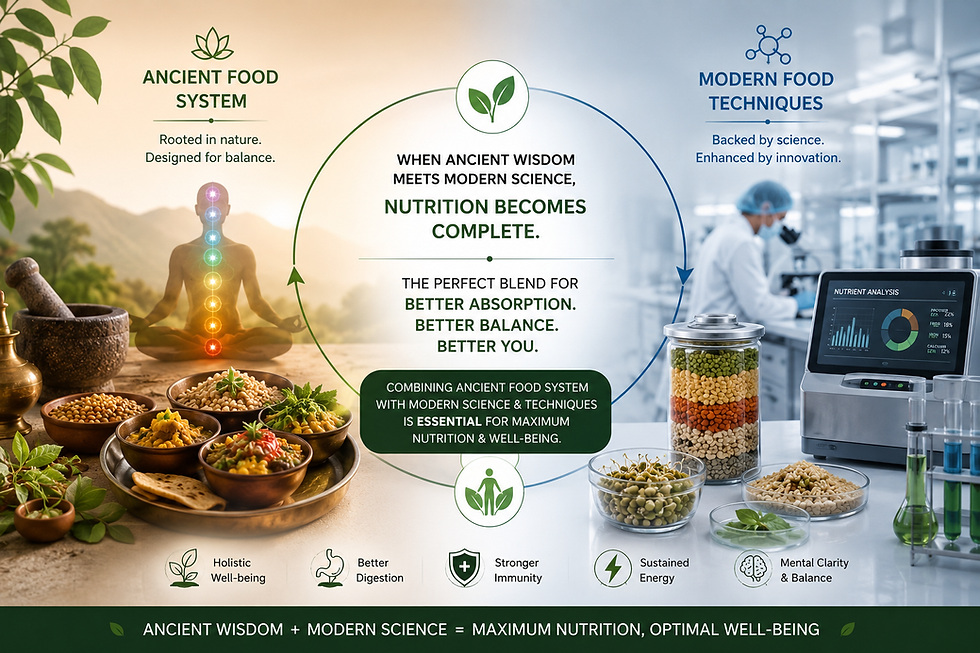
To bring together the wisdom of ancient foods and the expectations of modern taste.
To create millet-based foods that are nutritious, sustainable, and comforting—food that nourishes not just the body but also the connection between people, farmers, and nature.
Interestingly, during this journey, I received opportunities to continue working in digital transformation and higher education. But I chose a different path—one focused on health transformation and life transformation.
As I begin this new chapter, I seek your support, insights, and encouragement.
Together, perhaps we can start a larger conversation about what true nutrition means in a world increasingly obsessed with single nutrients and quick fixes.
The future of health may not lie in discovering something new.
It may lie in rediscovering what our ancestors already knew.
Comments