Oats: A Global Grain with Endless Possibilities
- Millvana Nutrition
- Jun 20
- 2 min read

Growing up in a traditional Indian household, oats were never part of our monthly grocery list. Yet over the last two decades, oats have found their place in kitchens across India, thanks to their versatility, nutrition, and ability to adapt to modern lifestyles.
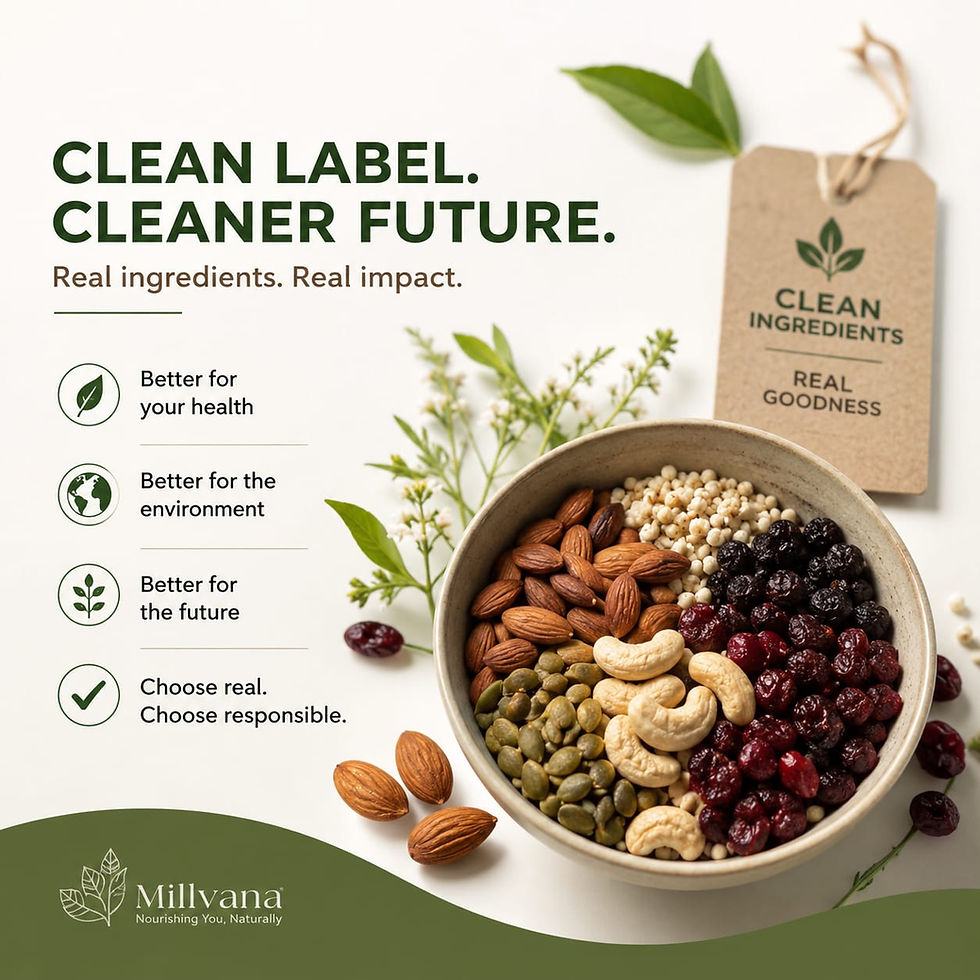
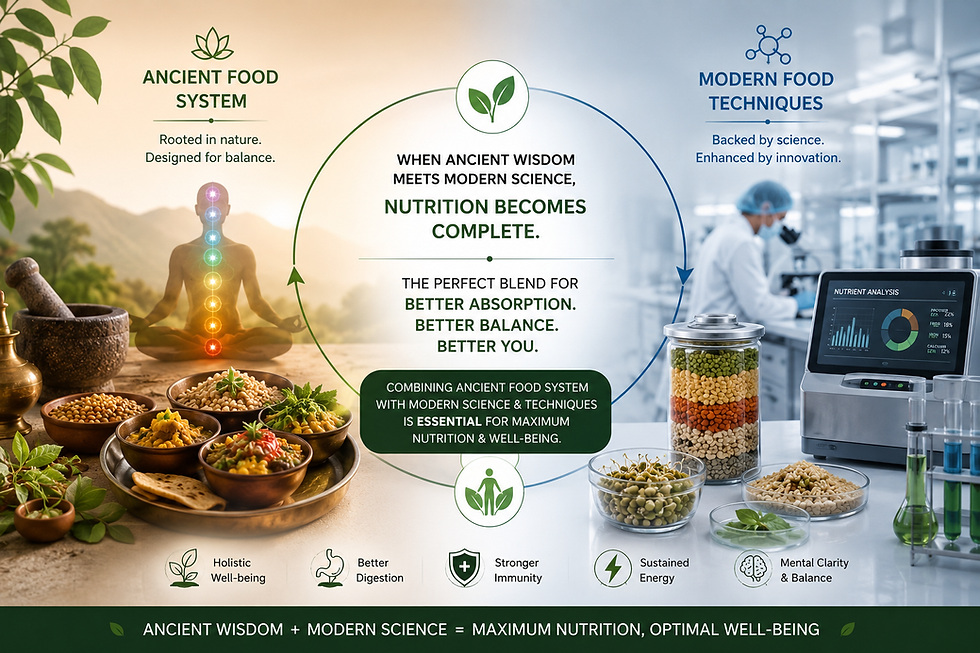
At Millvana, our mission is simple: combine ancient wisdom with modern nutrition without compromising on taste. We believe that everyone—regardless of age or health goals—deserves food that is both nourishing and enjoyable, crafted with conscious ingredients and genuine care.
One of our most rewarding discoveries has been blending oats with Ragi (Finger Millet), one of India's most nutrient-dense ancient grains. The result is a smooth, creamy texture and a balanced flavor that delights the palate while delivering wholesome nutrition.
My own journey with oats began nearly a decade ago. Like many people, I initially tried traditional preparations that didn't quite work for my taste. The breakthrough came when I started experimenting beyond conventional recipes—oats banana pancakes, blueberry oat cakes, and oats with Greek yogurt, caramelized bananas, and chia seeds. Suddenly, oats transformed from a health food into a genuinely enjoyable experience.

Beyond their versatility, oats offer remarkable nutritional benefits:
✔ Rich in dietary fiber, including beta-glucan
✔ Support heart health by helping lower LDL cholesterol
✔ Help regulate blood sugar levels
✔ Promote digestive wellness and satiety
✔ Provide sustained energy through complex carbohydrates
✔ Contain valuable plant-based protein
What makes oats even more fascinating is their history. Originating in the Fertile Crescent and Mediterranean regions, oats have traveled across continents and cultures, evolving from a wild grass into one of the world's most valued cereal grains.
As we move toward a more sustainable food future, I believe innovation lies in bringing together the best grains from around the world while preserving the value of traditional crops. By highlighting ancient grains such as millets and creating science-backed, delicious food products, we can support healthier lifestyles, improve soil health, and encourage farmers to adopt more resilient agricultural practices.
The future of food is not about choosing between tradition and innovation. It's about thoughtfully combining both.
Healthy food should nourish the body, satisfy the palate, and respect the planet.

Comments